
_edited.png)

.jpg)
What Makes a Good Coach?
A good coach is a strong leader, an excellent communicator, and a skilled planner who prioritizes player development. They are knowledgeable about the sport, positive, and motivating, creating a supportive and structured environment where players can learn, improve, and feel safe.
The GAA have a coaching pathway in place and this can be found on the link below.
Credit:Learning GAA.ie
The GAA have a coaching booklet and this can be found on the link below.
Credit:Learning GAA.ie
Positive
Reinforcement
Development First
Keep it Simple
Teach Respect First
Break down
the skills
Coach the Basics
U12s Football
Coaching Workshop
Slow them Down !
Underage
Language
Coaching WorkShop
Preparation
is Everything
Coach in their language
Lift the whole Group not just the standout
Variation for Engagement
Duhalllow Summer
Football POD
Does a coach NEED to play the sport ?
Qualities of a Good Coach
LEADERSHIP
KNOWLEDGE
COMMUNICATION
ORGANISATION
MOTIVATION
PLAYER DEVELOPMENT
MENTORSHIP
ADAPTABLITY
PASSION
Provides clear vision, sets a strong work
ethic, and makes players feel safe and supported.
Has a deep understanding
of Gaelic games, including rules, skills, and tactical principles, and
can also advise
on nutrition and injury prevention.
Communicates clearly and actively listens to players, both individually and as a team.
Plans sessions and match arrangements well in advance, with clear roles for any assistants.
Motivates players and keeps them engaged throughout the year, creating a positive and enthusiastic atmosphere.
Focuses on helping players achieve their full potential by assisting and challenging them, putting player needs at the center of all activities.
Acts as a mentor and role model, paying attention to player safety and well-being both on and off the field.
Is flexible, prepared to learn, and creative in finding solutions to problems that arise during training or games.
Is enthusiastic and committed to the role, setting an example through their own actions.

Skill & Guidance Cards


WHAT DO I NEED TO DO, TO BECOME A COACH ?


TAP TO
OPEN
1. Garda Vetting
GAA Garda Vetting – Short Quick Guide
✅ Step 1 — Prepare ID
-
Passport, previous addresses, criminal record.
✅ Step 2 — In-Person ID Check
-
Meet Club Childrens Officer
✅ Step 3 — Foireann Account
-
Set up a foireann account
✅ Step 4 — Apply on Foireann
-
Begin Vetting Application
✅ Step 5 — Upload Documents
-
Upload all documents including those signed by children's officer.
✅ Step 6 — NVB Email
-
Fill in details on the email link
✅ Step 7 — NVB Form
-
Submit
✅ Step 8 — Approval
IMPORTANT;
IF YOU ARE A COACH, A SELECTOR, OR ANY PERSON WHO IS LIKELY TO BE IN THE PRESENCE OF U18s PLAYERS IN CHANGING ROOMS OR ANY OTHER LOCATION YOU MUST COMPLETE AN ICGG COURSE AND A CHILD SAFE-GUARDING COURSE. FAILURE TO DO SO INVALIDATES YOUR GAA INSURANCE IN THE EVENT OF AN INCIDENT. YOUR ICGG COURSE, DOES NOT NEED TO BE REPEATED, HOWEVER CHILD SAFE-GUARDING IS EVERY 3 YEARS.
(all sports)
2. Child Safe-Guarding
(all sports)
If you are involved in a “regulated role” with children under 18 — e.g. coaching, mentoring, supervising, managing underage teams, run camps or underage events, refereeing underage games — you must meet the safeguarding requirements
To be child‑safeguarding compliant, the following are required:
✅ Safeguarding 1 — “Child Protection in Sport Awareness Workshop.” This is mandatory for anyone in a regulated role working with children.
✅ Garda Vetting
✅ Minimum coaching qualification — If coaching underage teams, besides safeguarding and vetting, you also need at least the basic/“foundation” coaching course (within the GAA, typically the “Introduction to Gaelic Games” course).
Child safe guarding In person workshop is cerified for 3 years.
Online refresher is 3 years.
After Online refresher Child safe-guarding in person workshop must then be completed .

3. Coaching Qualification
Nursery Coaching Course
(for gaelic Sports)
The GAA Nursery Coaching Course is a beginner coach-education programme that teaches coaches how to run fun, safe, age-appropriate sessions for children aged
4–7. It covers basic movement skills, simple football/hurling skills, and child-centred coaching methods.
and /or
ICGG Course
The ICGG (Introduction to Coaching Gaelic Games) Course is the GAA’s entry-level coaching qualification. It teaches new coaches how to plan and deliver safe, fun, age-appropriate sessions, covering fundamental movement, basic football/hurling skills, and positive, child-centred coaching methods.
IMPORTANT;
IF YOU ARE A JUVENILE CLUB OFFICER OR ANY PERSON WHO WILL NOT BE IN THE PRESENCE OF U18s PLAYERS IN CHANGING ROOMS OR ANY OTHER LOCATION YOU DO NOT NEED TO COMPLETE AN ICGG COURSE.
PLEASE ENSURE YOU ARE CERTAIN THAT YOU WILL NOT BE IN THE PRESENCE OF UNDERAGE PLAYERS IN A CHANGING ROOM OR OTHER UNSUPERVISED LOCATION.
4. Foireann
Foireann (Irish for “team”) is an online membership and administration system used by Irish sports organisations—most commonly clubs under the GAA (and also LGFA & Camogie).
What is Foireann?
It’s a central portal where players, parents, coaches, and volunteers:
-
Register as club members
-
Pay membership fees
-
Confirm consent and safeguarding details
-
Manage player profiles (especially for underage players)
-
Access official communications from the club/county
Think of it as the official database that proves you are a registered, insured member.
Why do you need to join?
You’re usually asked to join Foireann for one or more of these reasons:
-
You can’t play without it
Registration on Foireann is required for:-
Player eligibility
-
Insurance coverage during training and matches
-
-
Insurance & safeguarding
The GAA and related organisations require accurate records for:-
Injury insurance
-
Child protection and GDPR compliance
-
-
Club administration
Clubs use Foireann to:-
Track who has paid membership
-
Manage teams and age grades
-
Communicate official notices
-
-
Parents & underage players
Parents/guardians must use Foireann to:-
Register children
-
Give consent
-
Update medical or contact details
-
Do you always have to use it?
-
Players: Yes, if you want to train or play officially
-
Parents: Yes, for underage members
-
Coaches/volunteers: Yes, often required for vetting and roles
-
Social members: Usually yes, if the club registers all members centrally

5. Tobar
Tobar is the official eLearning and development platform of the GAA.
The word tobar means “well” or “source” in Irish—here it means a source of learning.
What is Tobar used for?
Tobar is where the GAA delivers online courses and learning modules, especially for people involved in clubs. It’s used for:
-
Coaches – Foundation, safeguarding, and development modules
-
Volunteers & officers – roles like secretary, treasurer, PRO
-
Safeguarding training – Child Safeguarding 1 (often mandatory)
-
Club administrators – governance, GDPR, best practice.
Why are you being asked to use Tobar?
Most commonly, because you:
-
Are coaching or helping with a team
-
Are a club officer or volunteer
-
Need to complete mandatory safeguarding training
-
Are starting a GAA coaching pathway
Many clubs cannot allow you to coach or volunteer unless required Tobar courses are completed.
How Tobar relates to Foireann
They are connected but different:
-
Foireann → membership, registration, insurance
-
Tobar → training, learning, and certification
You usually log into Tobar using the same email as your Foireann account.
Do players need Tobar?
-
Adult players: usually no
-
Underage players: no
-
Coaches/volunteers: yes, very often


“Enjoy it too — coaching should be fun.”
“Bring the energy. Enjoy the journey.”
“Happy coaches create happy teams.”
The coach plays a central role in the development of all sport athletes. The challenge for the coach is to create the right conditions for learning to happen and to empower the player to develop him/herself to reach their potential.

TAP HERE
Plans turn Goals into Reality
Long-Term Planning:
Your Club Plan and Player Pathway—creating an environment where young players Play and Stay with your club throughout their lives.
Medium-Term Planning:
Breaking the pathway into yearly programmes, identifying core values and key coaching priorities for each stage.
Short-Term Planning:
Week-to-week and session planning to deliver clear, consistent coaching.
PLANNING YOUR SESSIONS STARTS NOW
When you are planning your coaching season, do you plan week to week or across the season?
The correct answer is both. develop a plan for the year but with built in flexibility for week to week.
SIMPLE
STRUCTURE
CLEAR FOCUS
BUILT IN PROGRESSION
DESIGNED TO
HELP YOUR
PLAYERS THRIVE

Benefits of a Season Coaching Plan
(U10 Example)
-
Structured Player Development
A coaching plan helps players build skills step by step, from handling to passing to game awareness. It tracks progress and makes sure important skills aren’t missed. -
Consistency Across Sessions
It gives every session a clear purpose, reduces random coaching, and keeps all coaches working the same way. -
Optimized Use of Time
Planning ahead makes the most of training time, avoids repetition, and balances fitness, skills, and match practice. -
Enhanced Player Engagement
A well-planned season keeps players motivated with variety, challenges, and a sense of progress. -
Goal Setting and Measurement
Helps set clear goals, track progress, and adjust coaching when needed. -
Preparation for Games and Competitions
Prepares players physically and mentally, introduces tactics, and plans rest to avoid burnout. -
Supports Coaches
Reduces stress, helps multiple coaches follow the same plan, and makes communication with parents easier. -
Long-Term Club Benefits
Builds a consistent coaching culture, smooth player transitions, and strengthens the club’s reputation.
GAA Training Safety Checklist
☐ Include a proper warm-up and cool-down
☐ Check the pitch for hazards and secure goals/equipment
☐ Ensure protective gear is worn (helmets for hurling/camogie, proper footwear, gum-sheild)
☐ Maintain safe coach-to-player supervision ratios
☐ Provide regular hydration breaks
☐ Have first-aid kit available and at least one coach trained
☐ Use age- and skill-appropriate drills
☐ Enforce safe player behaviour and respect for others
☐ Adjust or cancel sessions for extreme weather


Credit:Learning GAA.ie Ger O Connor
Credit:O Dwyers GAA
Credit:Learning GAA.ie
Credit:GaelicTime.ie


Football & Hurling
Skills Assessment 4-7 years
-
In line with GDPR guidelines, no player names are recorded during skills activities.
-
Children are referred to by numbers or codes only, and any observations are for coach/teacher use only.
-
GAA skills assessment for 4–7 year olds is very minimal and focuses mainly on fun and enjoyment.
-
Activities are play-based, informal, and designed to keep children active and smiling.
-
The emphasis is on exploring basic movements rather than formally testing performance.
-
Key skills include simple running, jumping, throwing, catching, kicking, and striking.
-
There is no pressure, scoring, or comparison between children.
-
The aim is to build confidence and a positive first experience of Gaelic games.
-
All children are included and encouraged to learn through games and playful activities.



-
Coaching Tip: With 4–7 year olds, keep it fun and relaxed. There’s no need to label activities as “skill testing.” Instead, use enjoyable games and drills as opportunities to make your own observations and gently track development.


-
Coaching Tip: Focus on effort and engagement over outcomes. At this age, confidence, coordination, and enjoyment are just as important as technical skill. Observe how children move, try new skills, and interact with others — these small moments often tell you more than any formal assessment.
Football & Hurling
Skills Assessment
8-12 years
-
In line with GDPR guidelines, no player names are recorded during skills activities.
-
Children are referred to by numbers or codes only, and any observations are for coach/teacher use only.
-
GAA skills assessment, for ages 8–12 focuses on developing and improving fundamental Gaelic football and hurling skills.
-
Activities are age-appropriate, structured, and still enjoyable.
-
Key skills assessed include kicking, hand passing, catching, striking, and soloing.
-
Assessment, helps children understand correct technique in both football and hurling.
-
It allows coaches and teachers to track skill development and progress.
-
Emphasis is placed on participation, improvement, and confidence building.
-
Skills testing prepares players for more competitive games at older age levels.


Coaching Tip: For 8–12 year olds, skill assessment can still be integrated into game-based activities. Rather than running formal “tests,” use conditioned games, small-sided matches, and skill challenges to observe technique, decision-making, and consistency in a natural playing environment..


-
Coaching Tip: Be clear and constructive with feedback. At this age, players can understand simple performance goals. Share individual focus points (e.g., first touch, weaker foot use, striking technique) and encourage self-reflection — helping them take ownership of their development while keeping confidence high.
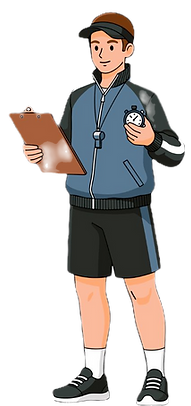
COACH & MENTOR STANDARDS
ON THE SIDELINES:
-
We do not use abusive or disrespectful language towards anyone.
-
We do our best to ensure that all players get as much game time as possible, giving everyone a fair chance to develop their skills and enjoy their sport.
-
We allow players to make their own decisions on the pitch and avoid coaching every single play from the sideline — coaches should not be shouting instructions at all players.
-
Coaches provide clear, consistent guidance with no mixed messages.
IN TRAINING SESSIONS:
-
We prepare our training sessions to be enjoyable, well-organised, and age-appropriate..
-
We give our players our full attention for the duration of the session and put the time to good use without outside influences.( eg. chatting instead of training).
-
We aim to address all four quadrants of the game’s demands in every session
-
Technical; Developing skills such as kicking, handpassing, striking, and tackling
-
Tactical – decision-making, game awareness, teamwork, and positioning
-
Physical – fitness, speed, agility, strength, and endurance
-
Psychological – confidence, resilience, focus, communication, and mindset
-
We do not allow a team to become over-reliant on any one player. Throughout the season, all coaches take part in training, with lead coaches delegating so that everyone has the opportunity to coach.
OFF THE PITCH:
-
We are all committed members of our clubs. always thinking “club first” in everything we do.
-
All coaches are Garda Vetted and have completed the required coach education and child protection courses.
-
We respect our club’s facilities and equipment guidelines.
-
We value the knowledge and experience of fellow coaches and are open to collaboration between different teams.
-
Our management teams are structured to ensure that no single individual carries all responsibility, giving more people the opportunity to develop coaching and management skills.
-
We actively encourage teams and their families to get involved in the life of the club.


